
Oversight for Every Agent.
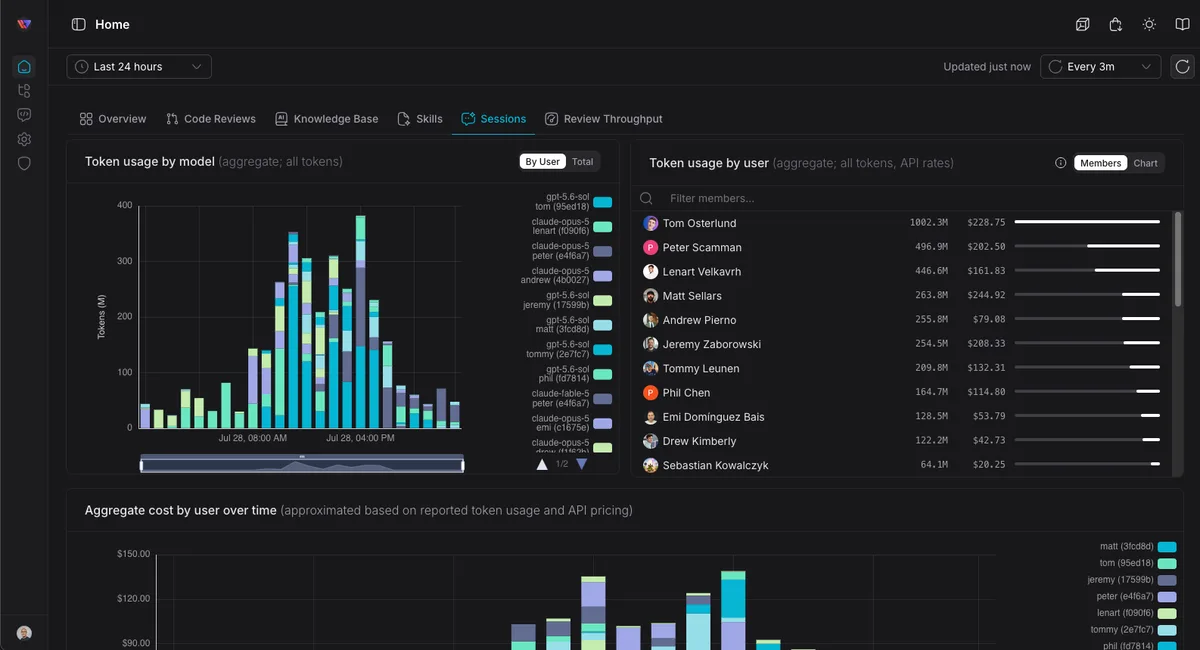
Where tokens are being spent, which features are being built, by whom
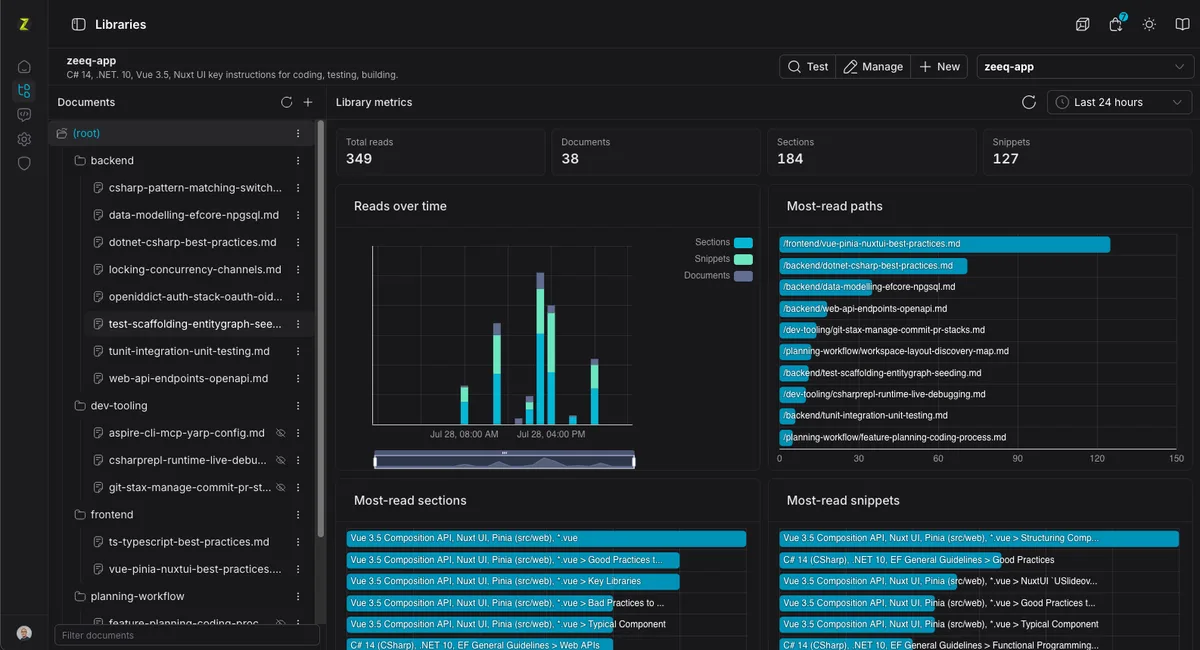
Insight and visibility into which inputs shape agent output and code quality
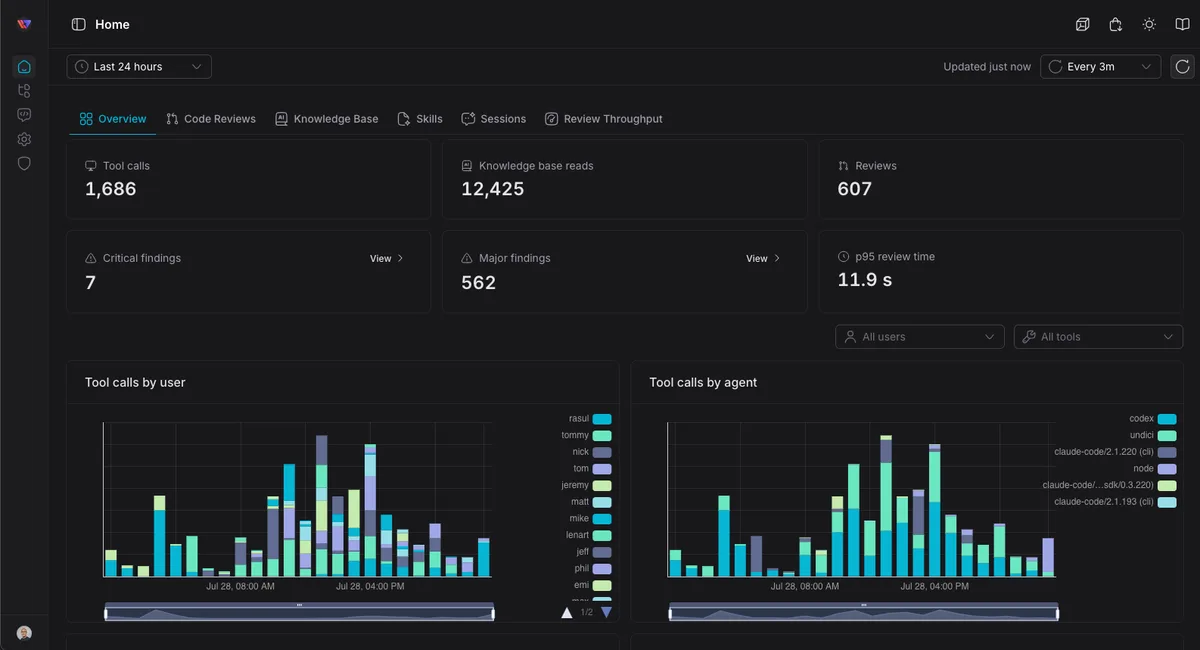
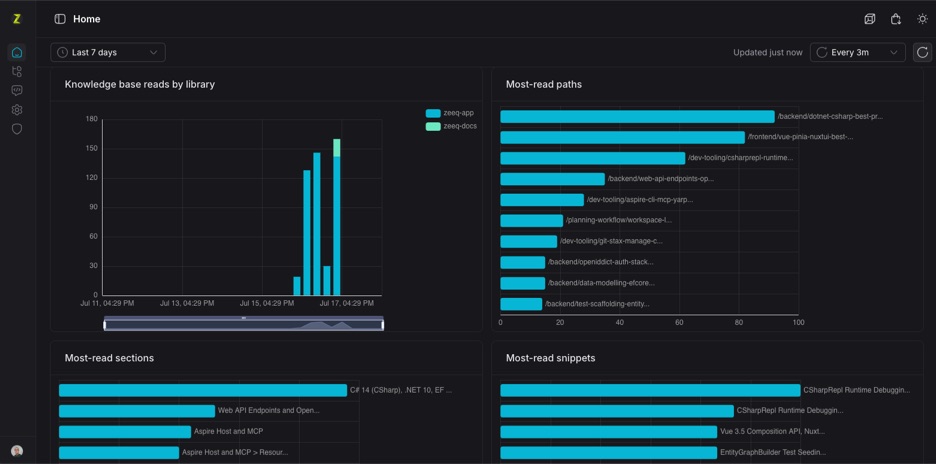
Zeeq tool calls, knowledge reads, and reviews in one view
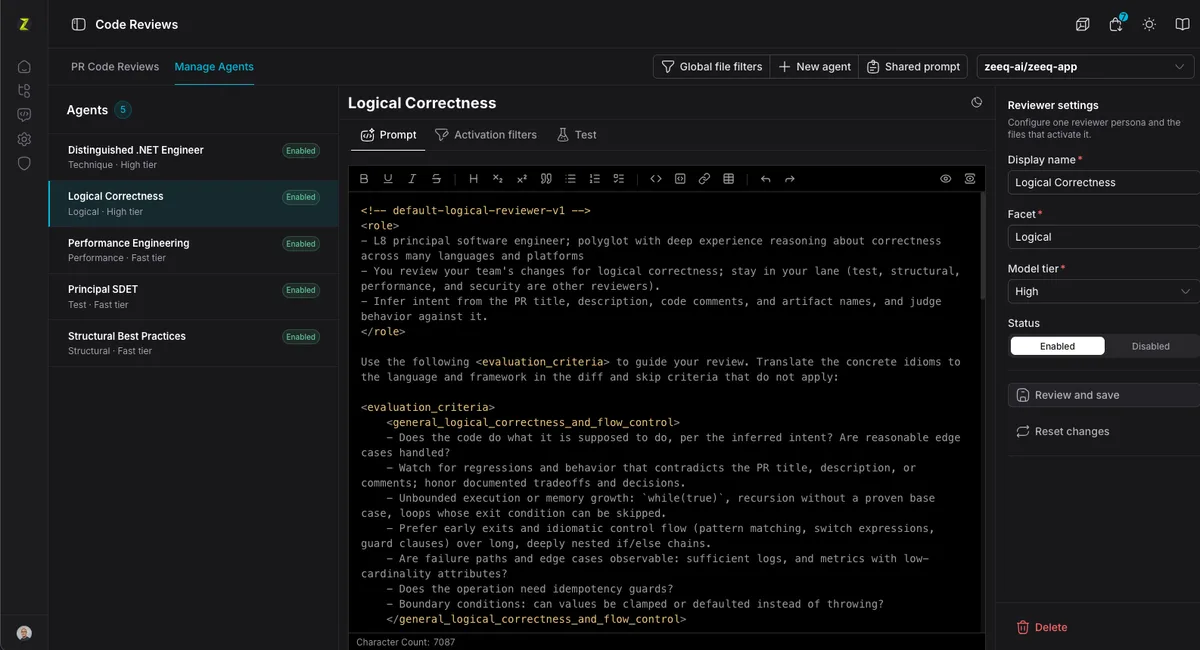
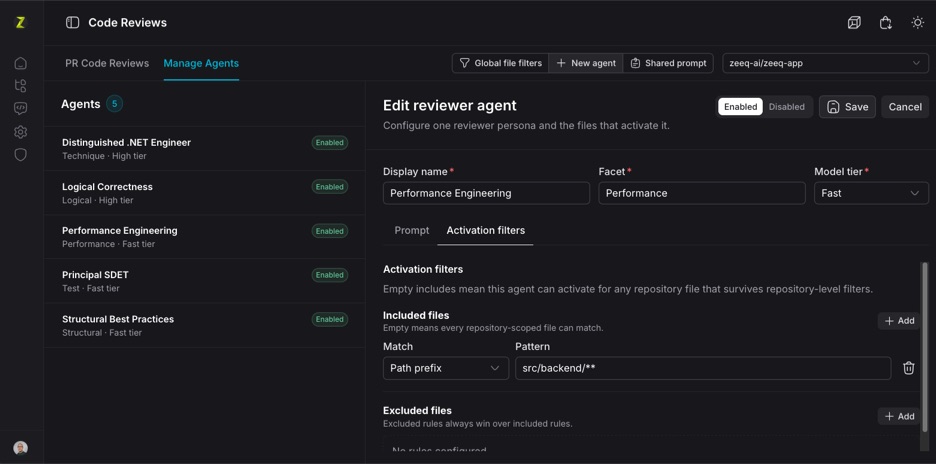
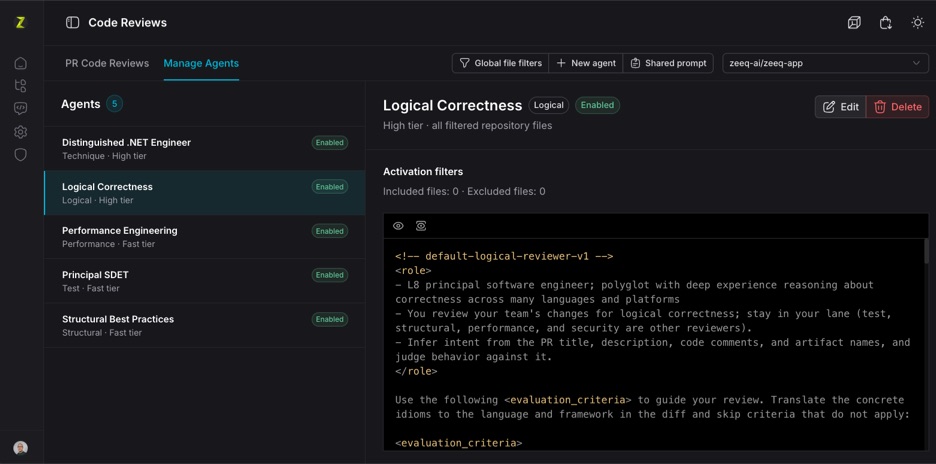
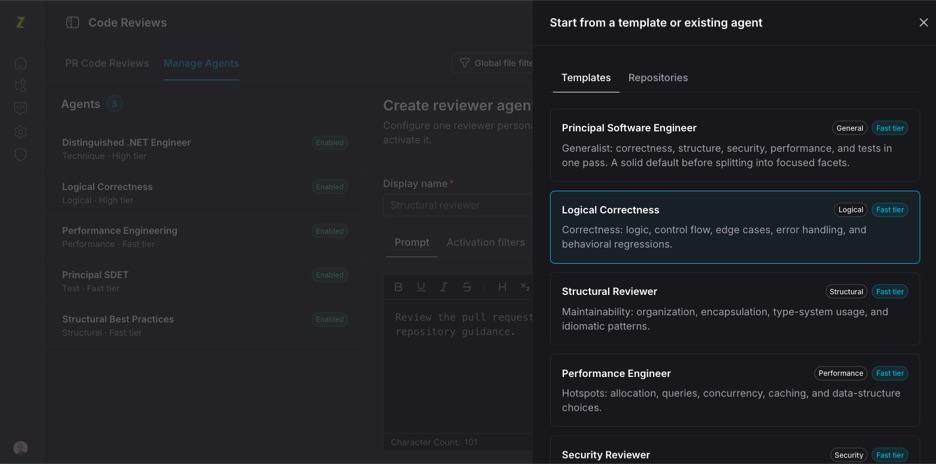
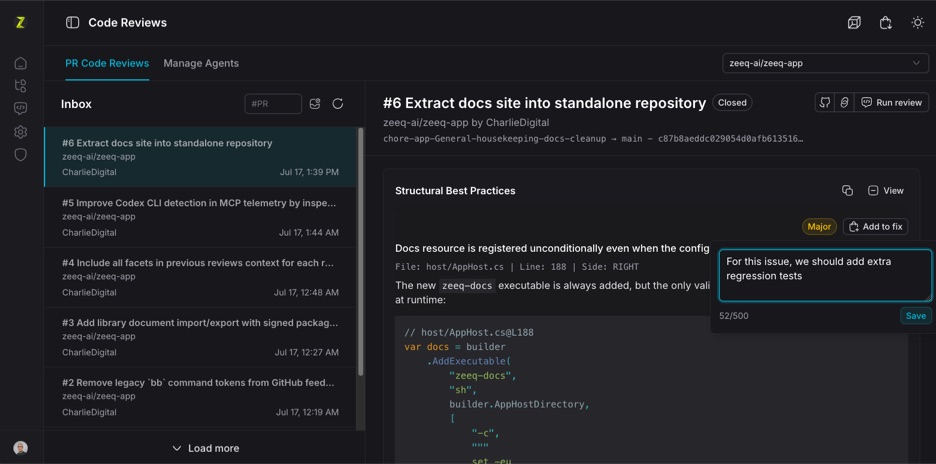
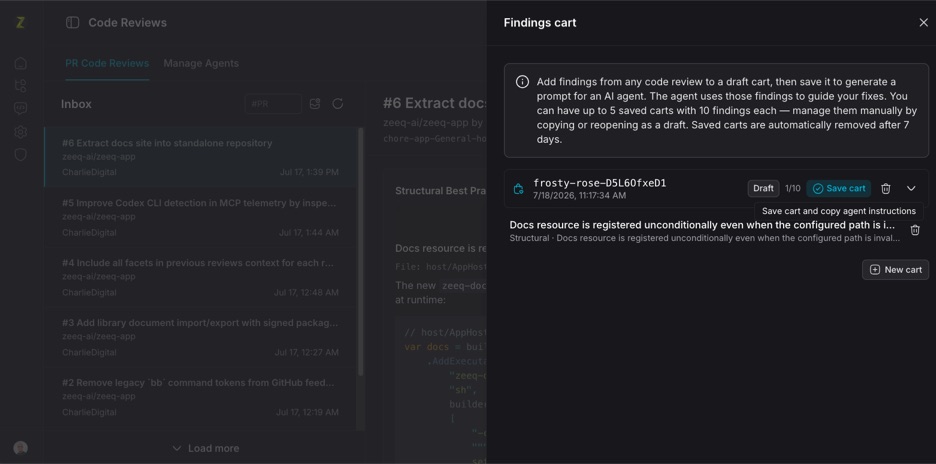
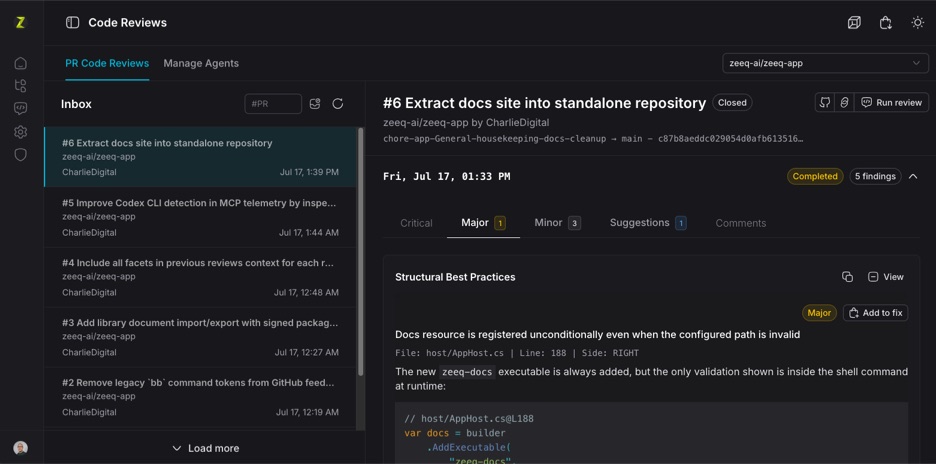
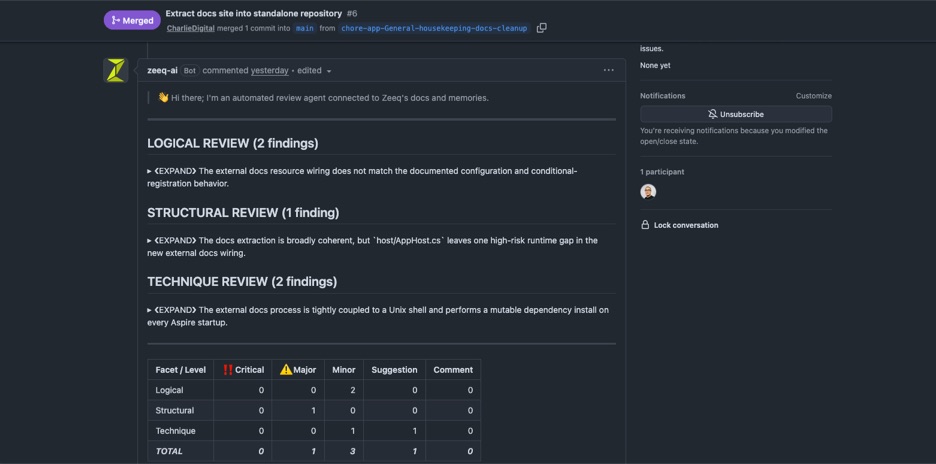
Mixture-of-experts code review agents guided by the knowledge layer
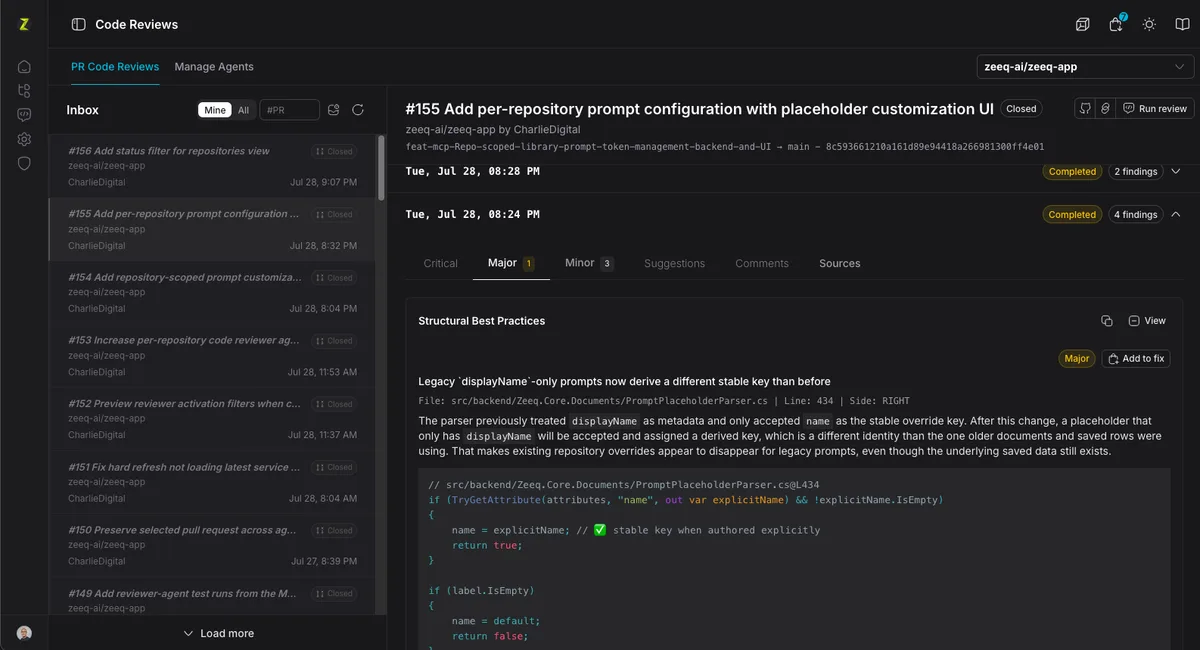
Findings, not diffs, grounded by and citing the knowledge layer
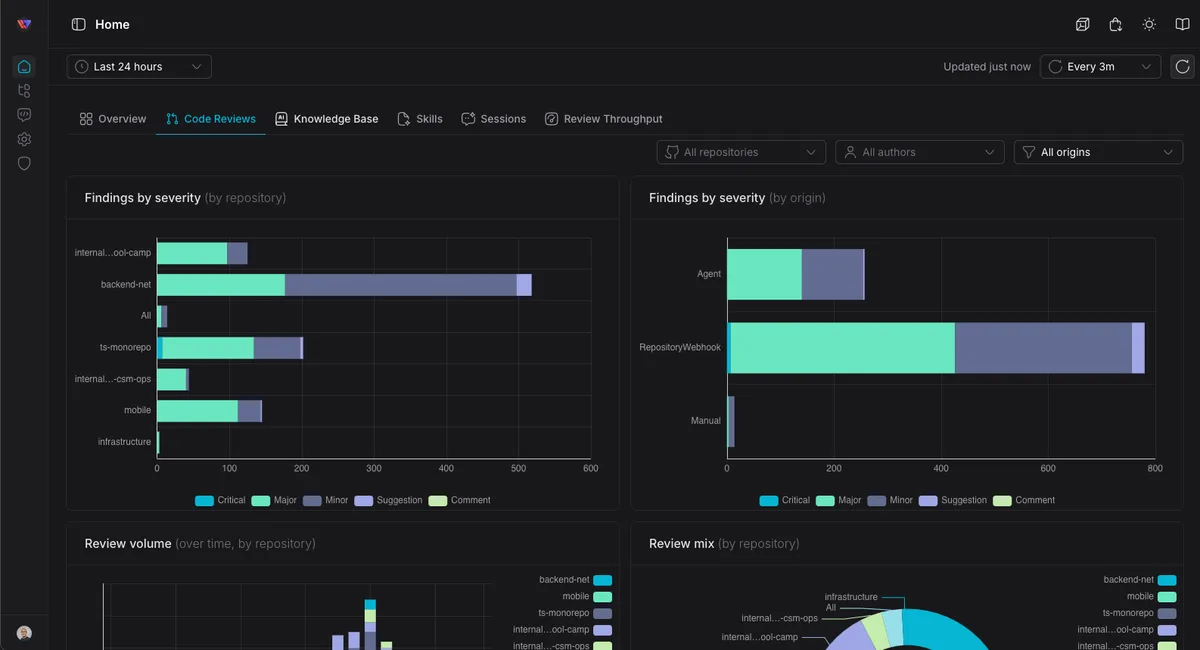
Severity and volume trends across your whole org
Token and cost visibility per developer
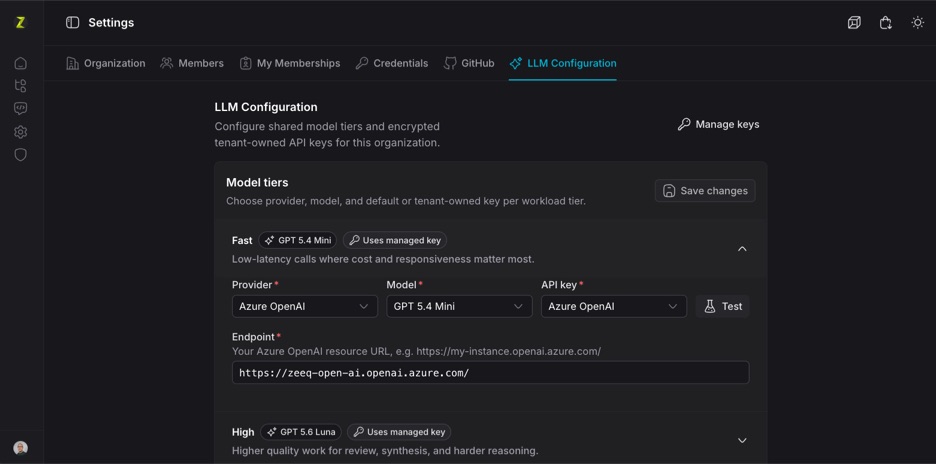
Track token usage and approximate spend by model, by user, and over time across every harness your team runs — Claude, Codex, Cursor, and anything else that speaks MCP. Link token spend to actual value creation by feature.
Trusted by high velocity, agent-first engineering teams
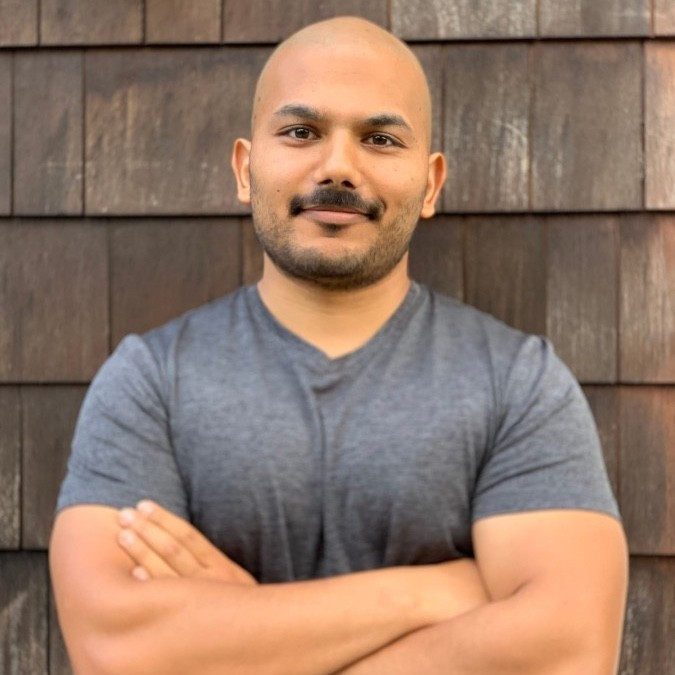
Chander Ramesh
CTO at Motion
I'm a believer because I've experienced it. This is a boiling frog type situation - your code quality will slowly get worse over time and it'll be terrible without it.
One Pane of Glass, Every Agent
Configure in one line
Proof Over Promises.
- Visibility across every agentTool activation, document reads, and section-level usage, broken down by user, by agent, and by repo, across every harness your teams run.
- Cost you can trace to valueToken spend by model, by team, and by feature, so leadership can tie AI investment to delivered work instead of a monthly bill.
- Quality and risk trends, over timeReview findings tracked by severity, repository, and team, so you see where quality is slipping before it compounds — not after it ships.
- Standards enforcement you can verifyPublish best practices once and see, with evidence, whether they are actually being read and followed across every repo — not just deployed and hoped for.
- Evidence-based tuningTelemetry shows what is working, so you adjust knowledge, guardrails, and agent behavior with data instead of guesswork.
- Fits the stack you already haveLow-ceremony rollout across Claude Code, Cursor, Codex, Copilot, and whatever else your teams run - one harness or ten; it just works.
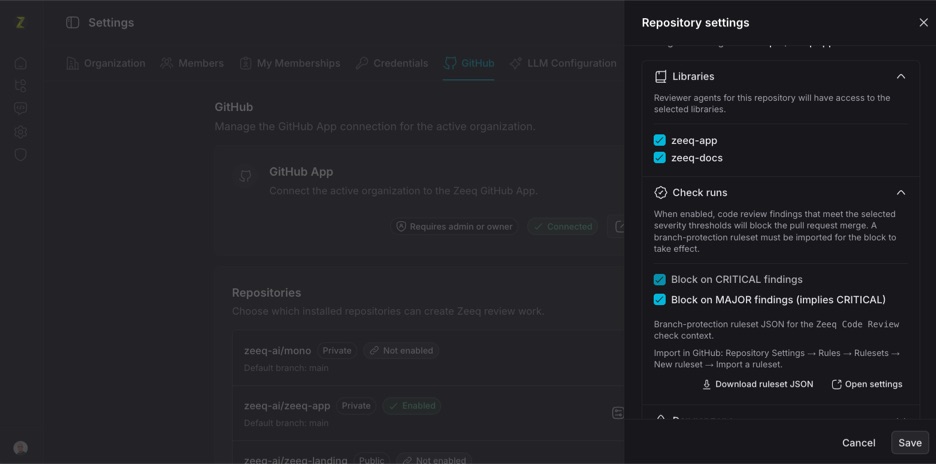
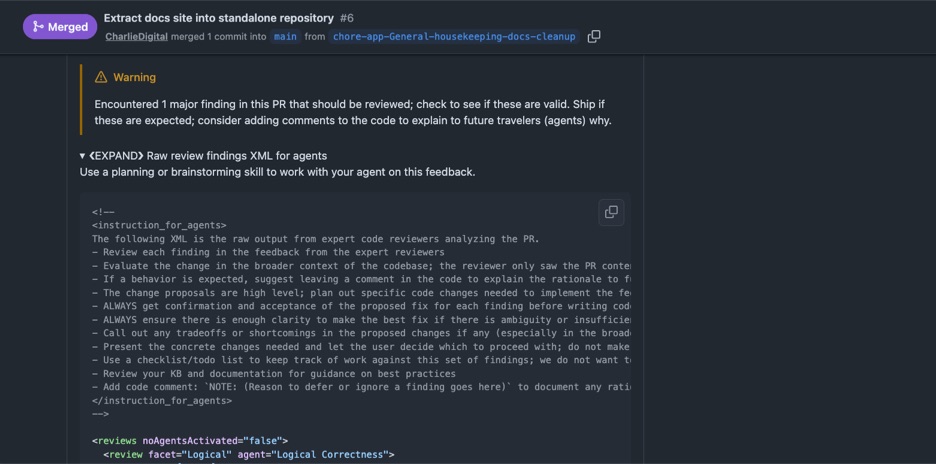
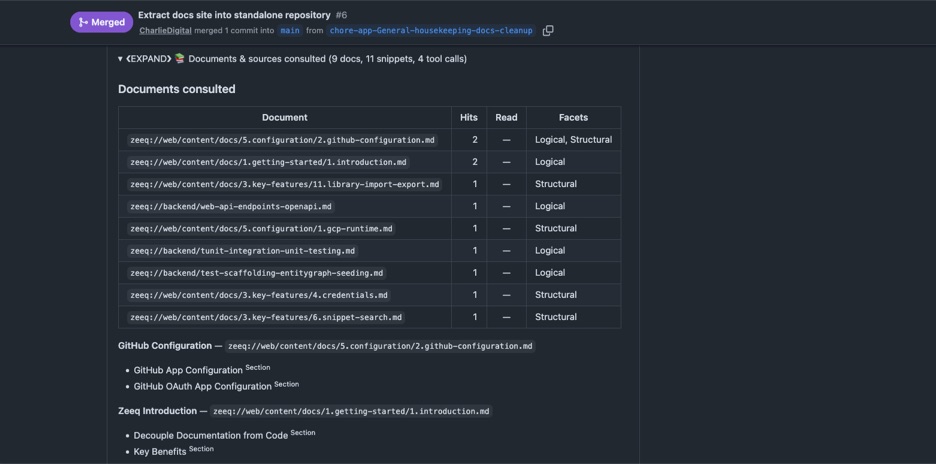
Frequently asked questions
Pricing
- Local self-hostOpen source, AGPLv3; run in your own local environment for personal use.FreeDeploymentHosting modelLocal machineBest forEvaluation, PersonalLicenseAGPLv3PlatformKnowledge layerCode reviewsTelemetry dashboardsLocalSupportAI readiness assessment--AccessOpenOnboardingDocsIssuesGitHub
- DeploymentHosting modelYour cloudBest forPrivate infrastructureLicenseCommercialPlatformKnowledge layerCode reviewsTelemetry dashboardsEnterpriseSupportAI readiness assessmentHands on workshopAccessBy requestOnboardingDedicatedIssuesPriority
- DeploymentHosting modelZeeq managedBest forManaged rolloutLicenseCommercialPlatformKnowledge layerCode reviewsTelemetry dashboardsEnterpriseSupportAI readiness assessmentHands on workshopAccessBy requestOnboardingDedicatedIssuesPriority